
Exploring the realm of preventive health and its impact on insurance costs, this guide delves into the importance of proactive measures in healthcare. From lifestyle changes to regular screenings, discover how preventive health can lead to significant savings on insurance expenses.
The Importance of Preventive Health
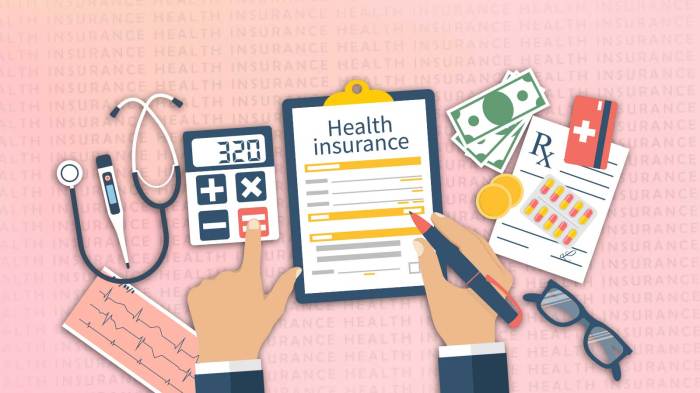
Preventive health involves taking proactive measures to prevent illnesses or diseases before they occur. This approach focuses on promoting healthy habits and regular screenings to detect potential health issues early on.
Examples of Preventive Health Measures
- Regular exercise: Engaging in physical activity helps maintain a healthy weight and reduces the risk of chronic conditions like heart disease and diabetes.
- Healthy diet: Eating a balanced diet rich in fruits, vegetables, and whole grains can boost immunity and lower the risk of various health problems.
- Annual check-ups: Visiting healthcare providers for routine exams and screenings can help identify issues before they progress.
- Vaccinations: Staying up to date on vaccinations can prevent infectious diseases and protect overall health.
Benefits of Preventive Health in Reducing Insurance Costs
- Early detection: By identifying health issues at an early stage, preventive health measures can help avoid costly medical treatments in the future.
- Lower healthcare expenses: Preventive care is usually more affordable than treating advanced illnesses, leading to reduced healthcare costs overall.
- Lower insurance premiums: Insurance companies often offer discounted rates to individuals who actively engage in preventive health practices, leading to potential savings on insurance premiums.
Preventive Health Measures
Preventive health measures are essential in maintaining overall well-being and reducing the risk of developing chronic diseases. By adopting healthy habits and undergoing regular screenings, individuals can take proactive steps to prevent health issues before they escalate.
Healthy Lifestyle Changes
Making lifestyle changes plays a crucial role in preventive health. Simple adjustments such as eating a balanced diet, engaging in regular physical activity, maintaining a healthy weight, avoiding tobacco and excessive alcohol consumption, and managing stress can significantly lower the risk of developing conditions like heart disease, diabetes, and certain types of cancer.
Regular Check-Ups and Screenings
Regular check-ups and screenings are key components of preventive healthcare. These routine visits allow healthcare providers to monitor an individual's health status, detect any potential issues early on, and provide necessary interventions. Screenings such as blood pressure checks, cholesterol tests, mammograms, colonoscopies, and vaccinations can help identify risk factors and prevent diseases from progressing.
Impact of Preventive Health on Insurance Costs
Preventive health measures play a crucial role in reducing insurance costs for individuals and insurance companies alike. By focusing on preventive care, individuals can avoid costly medical treatments and interventions in the long run, leading to lower insurance expenses overall.
Statistics and Studies
Studies have shown that for every dollar invested in preventive health measures, there is a potential savings of up to $3.27 in healthcare costs
Moreover, individuals who engage in regular preventive screenings and check-ups are less likely to develop chronic conditions that require expensive treatments, leading to lower insurance premiums.
Insurance Companies' Perspective
Insurance companies view preventive health as a cost-saving strategy that benefits both parties. By promoting preventive care and incentivizing policyholders to prioritize their health through wellness programs and screenings, insurance companies can reduce the likelihood of high claims and costly medical procedures.
This proactive approach not only improves the overall health outcomes of individuals but also helps in managing insurance costs effectively.
Incentives for Preventive Health
Insurance companies often offer various incentives to encourage individuals to prioritize preventive health measures. These incentives can help individuals save money on healthcare costs in the long run.
Insurance Company Incentives
- Discounted premiums for individuals who participate in preventive health programs or screenings.
- Waived copayments or deductibles for preventive services like vaccinations, screenings, and annual check-ups.
- Rewards programs that offer incentives such as gift cards, cashback, or discounts on gym memberships for engaging in healthy behaviors.
Employer Programs
- Employers may offer wellness programs that include incentives like financial rewards, extra paid time off, or discounts on health insurance premiums for employees who participate in preventive health activities.
- Access to onsite fitness centers, healthy food options, and mental health resources can also be part of employer-sponsored programs to promote preventive health.
Individual Opportunities
- Take advantage of free preventive services covered by insurance plans, such as annual wellness visits, screenings, and immunizations.
- Participate in employer-sponsored wellness programs or community health initiatives to earn rewards and discounts on healthcare expenses.
- Utilize telemedicine services for preventive care consultations and follow-up appointments to save time and money.
Wrap-Up
In conclusion, prioritizing preventive health not only benefits personal well-being but also offers substantial savings on insurance costs. By embracing preventive measures and taking advantage of incentives, individuals can pave the way towards a healthier future while securing financial stability.
Essential FAQs
What are some common preventive health measures?
Common preventive health measures include regular exercise, balanced diet, vaccination, and screenings for early detection of diseases.
How do lifestyle changes contribute to preventive health?
Lifestyle changes such as quitting smoking, reducing alcohol consumption, and managing stress can significantly impact preventive health by lowering the risk of chronic diseases.
What incentives do insurance companies offer for preventive health?
Insurance companies may provide incentives like discounted premiums, gym memberships, or coverage for preventive screenings to encourage policyholders to prioritize preventive health.